
Top-Rated Products For Subfloor Installations For Professional Results
Browse high-quality products that ensure stability, ease of use, and long-lasting support in your subfloor installation endeavors.
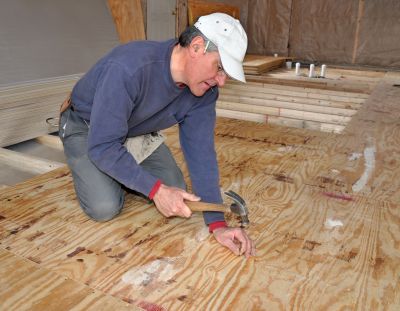 Selecting the appropriate products for subfloor installations is essential to ensure a durable and stable foundation for flooring projects. The subfloor acts as the base layer that supports the finished floor, making the quality and compatibility of installation materials crucial. Common materials include various types of underlayment, adhesives, fasteners, and leveling compounds, each serving a specific purpose in creating a smooth, secure surface.
Top Overall Option
Premium Underlayment Mat
A versatile underlayment mat designed to provide a smooth, stable base for various flooring types. It offers excellent cushioning, moisture resistance, and ease of installation, making it suitable for both DIY projects and professional work. Its durability and compatibility with multiple flooring materials make it a reliable choice for subfloor preparation.
Types of Products For Subfloor Installations
Moisture Barriers
Materials used to prevent moisture seepage from the subfloor into the finished flooring, especially important in basements and bathrooms.
Self-Leveling Compounds
Products designed to create a flat, even surface by filling in low spots and smoothing out uneven areas of the subfloor.
Underlayment Mats
Pads or sheets that provide cushioning, soundproofing, and moisture protection between the subfloor and the finished floor.
Adhesives
Specialized glues used to secure flooring materials to the subfloor, ensuring stability and reducing movement.
Fasteners and Nails
Hardware such as nails, screws, and staples used to attach the subfloor panels securely to the joists or existing surface.
Plywood Panels
High-quality plywood sheets that serve as the main structural layer in many subfloor assemblies.
OSB Boards
Oriented Strand Board panels that are often used as a cost-effective subfloor material with good strength and stability.
Filler and Repair Patches
Materials used to fill cracks, holes, or imperfections in the existing subfloor before installation.
Vapor Barriers
Thin sheets that help prevent moisture vapor transmission through the subfloor, protecting the finished flooring.
Soundproofing Underlayments
Products designed to reduce sound transmission between floors, providing quieter indoor environments.
Insulation Boards
Materials used to improve thermal efficiency and sound insulation in subfloor assemblies.
Popular Choices
Widely used in damp environments to protect the subfloor from moisture damage.
Commonly chosen for leveling uneven subfloors before laying final flooring materials.
Popular for their strength and ease of installation in various construction projects.
Frequently used for bonding subfloor panels and securing flooring materials.
Chosen for their cushioning and soundproofing properties in residential settings.
A common alternative to plywood, valued for its stability and affordability.
Popular in areas with high humidity to prevent vapor transmission.
Standard hardware used across many subfloor projects for secure attachment.
Frequently used to fix minor damages before installing new flooring.
Increasingly popular in multi-family or apartment settings to reduce noise.
Proper preparation of the subfloor involves assessing its condition, moisture levels, and structural integrity. Using the right products can help mitigate issues such as uneven surfaces, moisture intrusion, or weak spots that could compromise the longevity of the flooring. For example, moisture barriers are often used in areas prone to dampness, while leveling compounds help correct uneven surfaces.
The selection process should consider the type of flooring to be installed, whether it is hardwood, laminate, tile, or carpet. Different materials require specific subfloor products to optimize adhesion and stability. Additionally, the compatibility of underlayment and adhesives with the subfloor material can influence the overall success of the installation. Properly chosen products not only enhance the performance but also simplify the installation process.
Investing in high-quality, suitable products for subfloor installation can lead to a more straightforward installation process and potentially extend the lifespan of the finished floor. It is advisable to consult product specifications and manufacturer recommendations to ensure compatibility and optimal results. Whether undertaking a small renovation or a large-scale project, selecting the right subfloor products is a critical step toward achieving a professional-looking and long-lasting floor.
Key Buying Considerations
- Compatibility with the type of flooring to be installed
- Moisture resistance properties, especially in damp areas
- Ease of installation and handling
- Durability and long-term performance of the product
- Appropriate thickness for leveling or cushioning needs
- Vapor and moisture barrier capabilities
- Soundproofing qualities if noise reduction is desired
- Material strength and load-bearing capacity
- Compatibility with existing subfloor materials
- Cost-effectiveness and budget considerations
- Environmental conditions of the installation site
- Manufacturer recommendations and specifications
- Ease of repair or patching if needed
- Weight of the product for ease of transport and handling
- Availability of the product in local or online stores